Build software that survives production.
Full-stack builds shipped end to end on camera — web, mobile, and the APIs underneath. You get the data model, the auth boundary, the billing edge cases, the AI plumbing, and the failure paths that every clone tutorial cuts before.
Free on YouTube. One architecture lesson by email. No filler, no hype, unsubscribe whenever.
Whole products, not feature demos.
Each series ends with something deployable and something you can explain in an interview: the schema, the boundaries, the trade-offs, and what broke on the way.
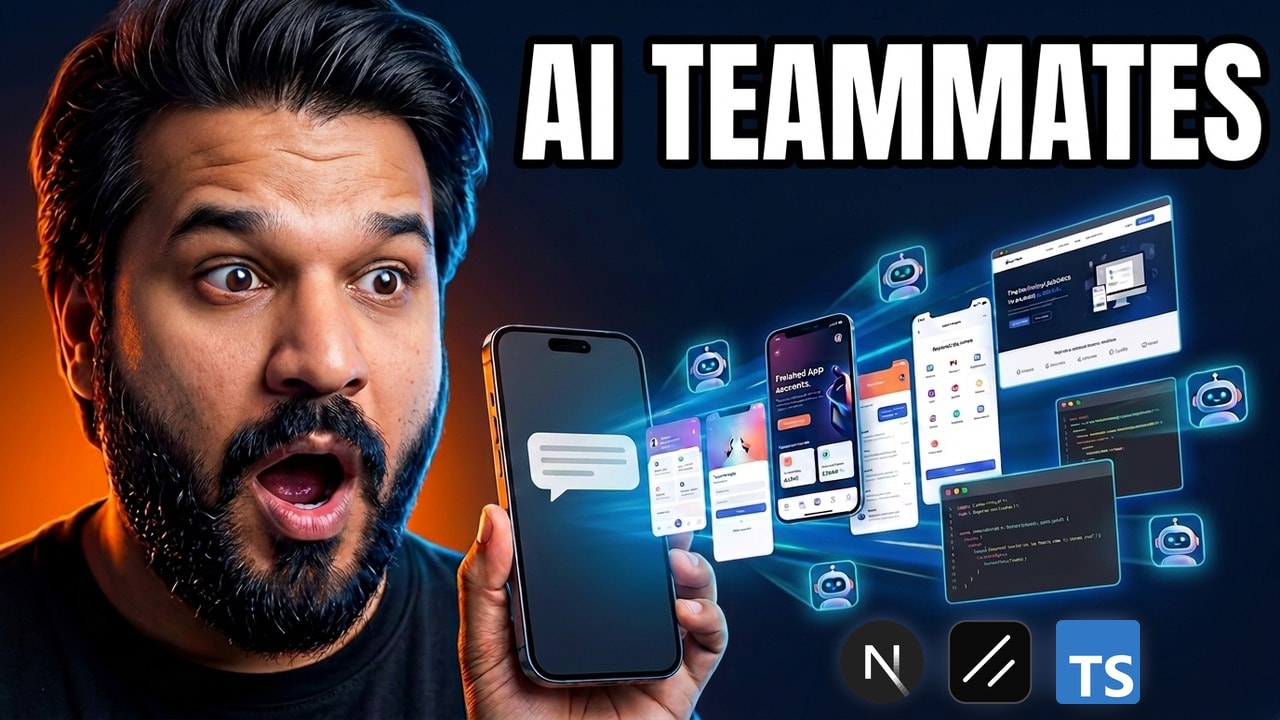
The front door of an AI team you brief in one message: a dark, animated landing page built on its own design system, and sign-up and sign-in pages with a live crew activity panel. The database, auth and agents come next.
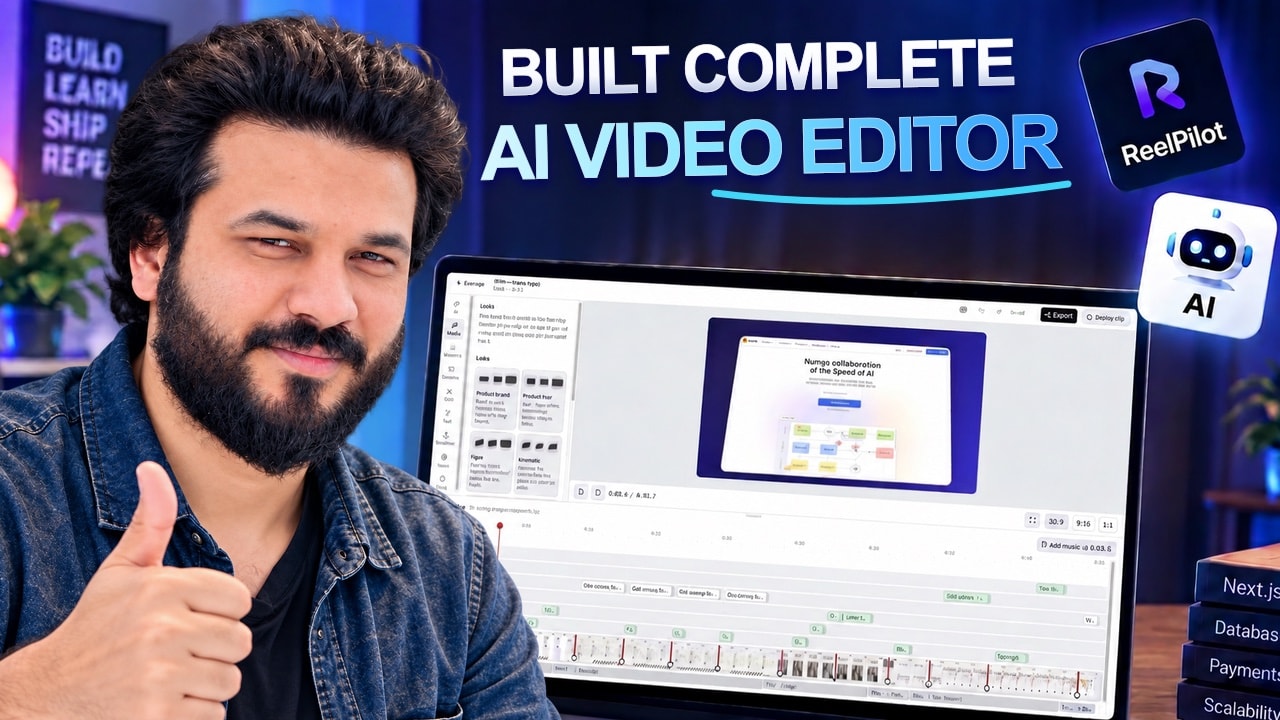
A browser video editor for product videos: record or upload your app, let an AI director plan the camera, cuts and text, refine it on a multi-track timeline, then export an MP4 or share a link.
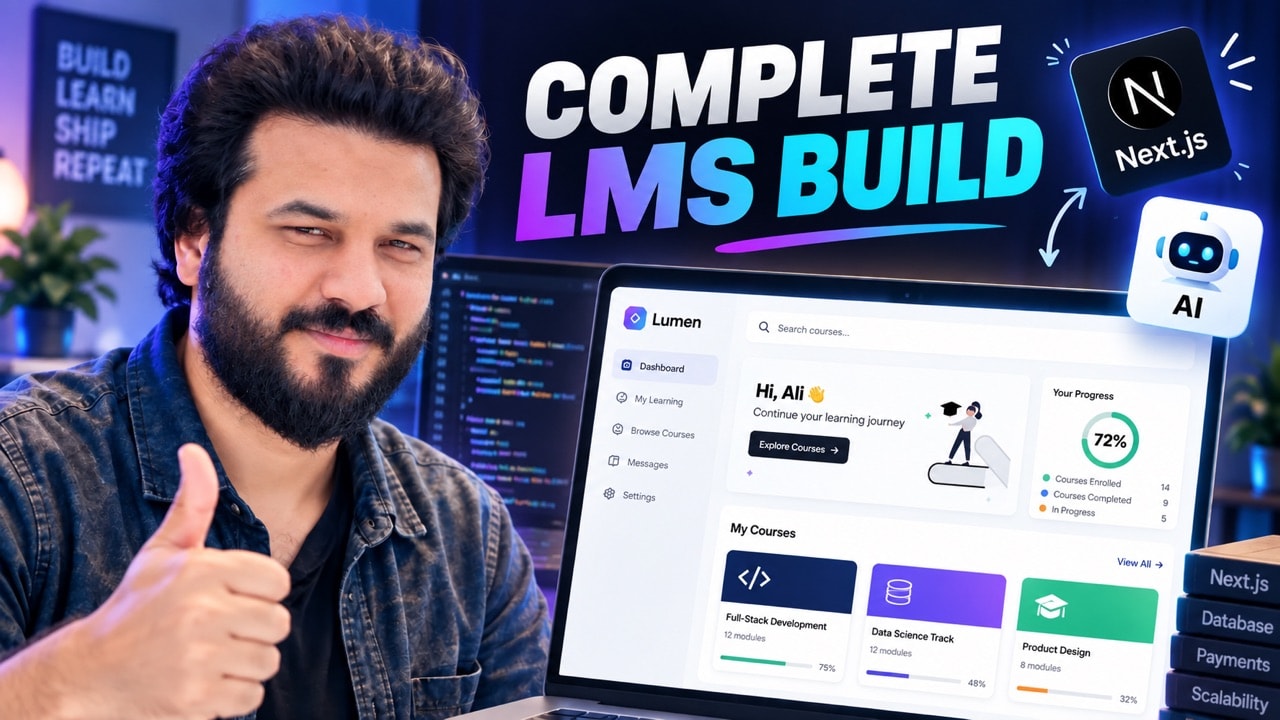
A course marketplace in the shape of Udemy: instructors author courses that go live through an admin review, learners buy through Stripe and earn certificates anyone can verify, and every sale records the instructor's share.
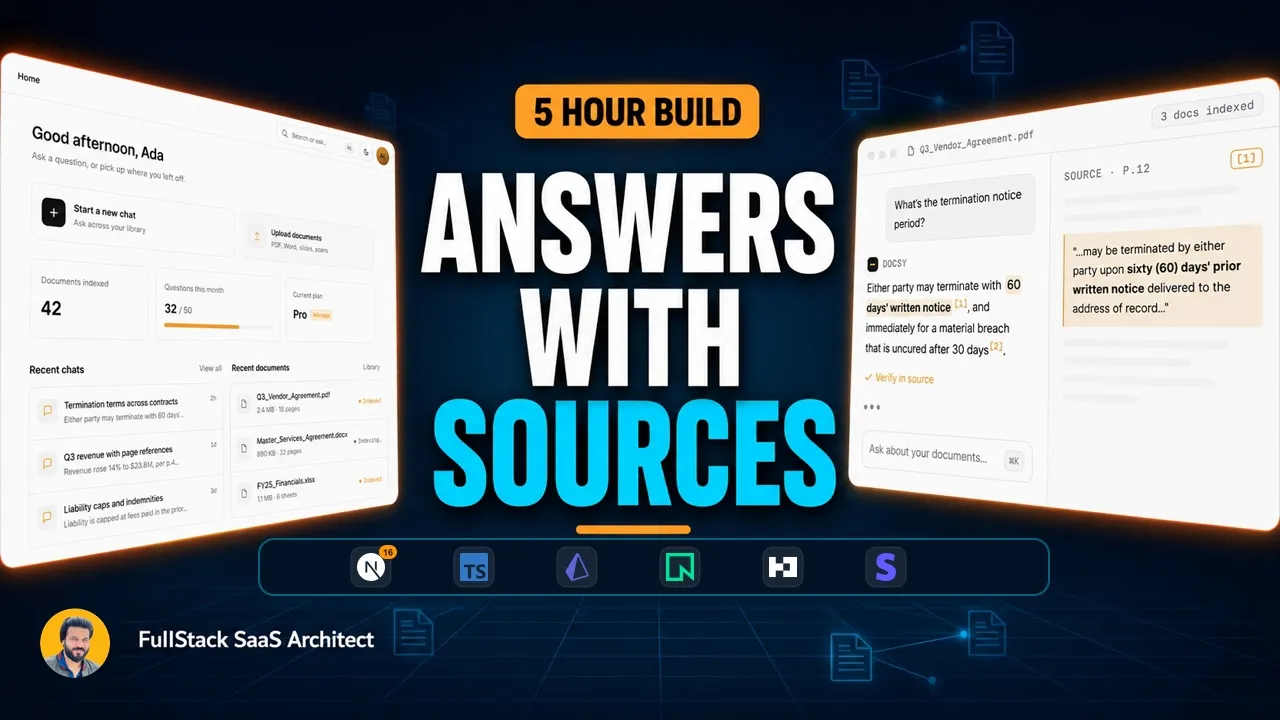
A document workspace where Claude answers only from the files in the chat, every claim opens the exact passage it quotes, and questions are metered by plan through Stripe.
Three commitments in every build.
Framework-agnostic on purpose. The stack changes every year; the reasoning is what keeps paying you.
Client, data model, auth boundary, billing, failure paths, and deployment belong to the same lesson — on the web, on mobile, or behind an API.
Coding agents write the easy 80%. Architecture, review, and verification decide whether the other 20% survives a real user.
Retries, permissions, concurrency, timeouts, bad input — and the specific fixes that turn a working demo into something you can put your name on.

I’m Ali. I teach the parts between the demo and production.
I build complete products on camera — web, mobile, and the services behind them — and explain the architecture out loud: how the UI, data, authentication, billing, and AI workflows fit together, and where each one fails first. The goal is not more code to copy. It is better judgment you can reuse on any stack.
Ask me something, or tell me what you need.
Questions about a build, an architecture decision you are stuck on, hiring, or a sponsorship — this reaches my inbox directly and I read everything.
Prefer email? info@fullstacksaasarchitect.com